Foodpanda commission for merchants: the real math in 2026
Roughly 25-30% per order plus about ₱1,000 a month once sales pass a threshold. Here is what that buys, the break-even math for a small kitchen, and when it is genuinely worth paying.
Updated July 10, 2026 · By the Suki Neighbors team
How much commission does foodpanda charge?
Foodpanda commission for partner merchants in the Philippines is commonly around 25-30% of each order, plus a platform fee of roughly ₱1,000 per month once monthly sales pass about ₱4,000. On a ₱150 ulam, that means ₱105-₱112.50 reaches the merchant before the monthly fee is counted.
Rates vary by contract, city, and merchant category, and they change. Treat these figures as the typical shape of the deal, and confirm current terms directly with foodpanda before signing.
What the commission actually pays for
The fee is not money for nothing. A partner merchant gets three things a small kitchen cannot easily build alone:
- A delivery fleet. Riders on standby across the city, dispatch, routing, and the customer service that comes with them. No hiring, no motorcycle, no logistics headache.
- Discovery. Placement in an app that thousands of hungry strangers open at lunchtime. For a new restaurant, that visibility is the hardest thing to buy any other way.
- Payment handling. The platform collects from the customer, absorbs card and wallet processing, and remits to you on a schedule. No chasing GCash screenshots.
For a registered restaurant chasing volume across the metro, that bundle can be a fair trade. The question is whether your kitchen is that business.
Break-even math for a small kitchen
Take a home-style ulam that sells for ₱150 with ₱75 of ingredients and packaging - a typical 50% food cost for lutong bahay. Compare the same order sold on-platform and sold direct:
| On foodpanda (30%) | Selling direct (zero commission) | |
|---|---|---|
| Price paid for the food | ₱150 | ₱150 |
| Commission | ₱45 | ₱0 |
| Ingredients + packaging | ₱75 | ₱75 |
| Gross profit per order | ₱30 | ₱75 |
| Monthly platform fee | About ₱1,000 once sales pass roughly ₱4,000 | None |
| Orders to earn ₱7,500 profit | About 250 (plus the monthly fee) | 100 |
Read that last row twice. At these margins, the platform kitchen must sell roughly two and a half times more plates to take home the same profit. The commission does not just trim your margin - at home-cook margins it takes most of it. The platform bet only works if the reach genuinely multiplies your volume by that much or more.
There is a second effect: many merchants raise their in-app prices to cover the commission, which makes them less competitive against bigger players with better food costs. Pricing lutong bahay walks through the margin math in detail.
When foodpanda is worth it
- You have volume capacity. A staffed kitchen that can push out hundreds of orders a month turns the reach into real money.
- Your margins can absorb 30%. Menu items engineered for 30-35% food cost leave room for the commission and still profit.
- You need strangers. If your market is the whole city rather than your barangay, no other channel delivers strangers at that scale. That is the honest case for the apps, covered in Suki vs delivery apps.
When it is not
- Home cooks. Most cannot join anyway - foodpanda requires business registration, BIR papers, and permits, as detailed in can home cooks join GrabFood or foodpanda. And at ₱30 gross profit per plate, the math above is unforgiving.
- Low-margin ulam and rice meals. A ₱99 silog with ₱60 of ingredients simply has no ₱30 to give away.
- Kitchens whose buyers are already nearby. If your orders come from your condo, village, or barangay, you are paying city-wide logistics for elevator-ride deliveries.
The zero-commission lane for small kitchens
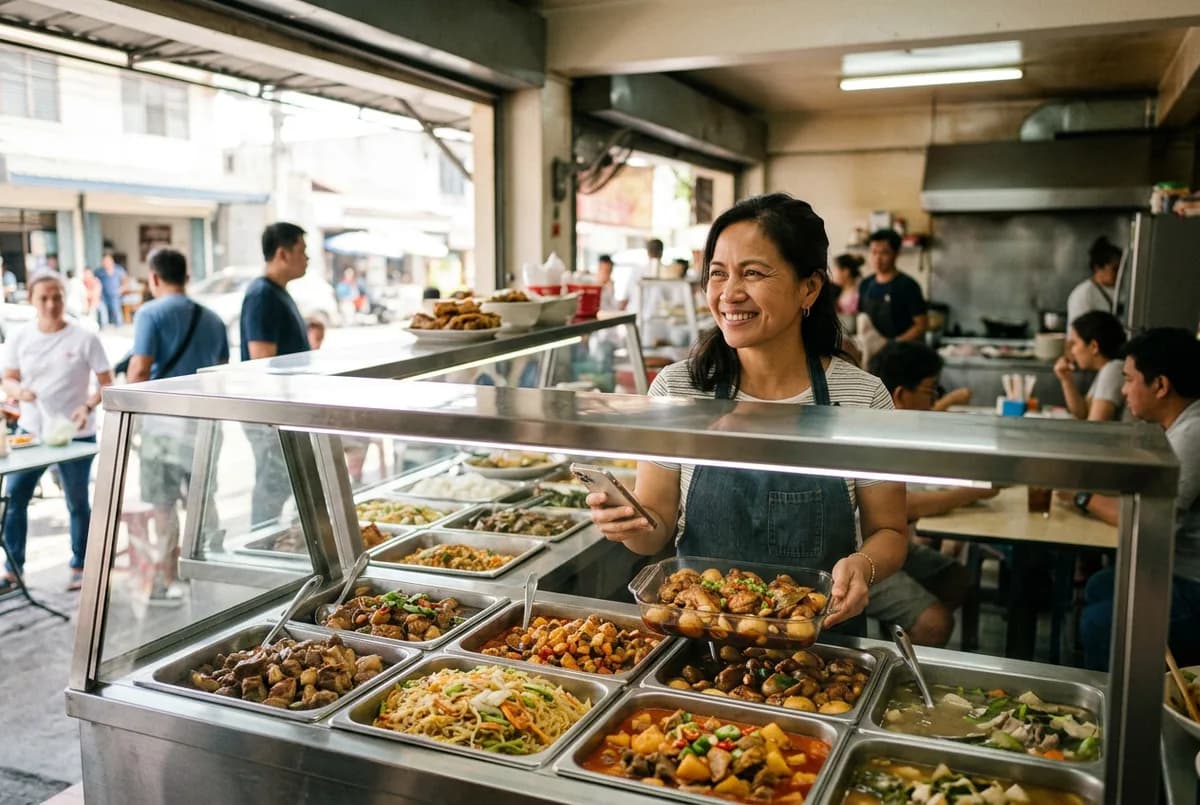
If your buyers live near you, the alternative is not going offline - it is selling where no one takes a cut. On Suki Neighbors, a community-locked marketplace for one building or barangay, listing is free, there is zero commission, and buyers pay you directly by GCash, Maya, bank transfer, or COD. The ₱150 ulam pays you ₱150. The tradeoff is reach: your market is your neighbors, not the metro. For many home kitchens, that is exactly where the orders were coming from anyway. The wider option set is in foodpanda alternatives for home sellers and selling food online without commission.
Common questions
What percentage does foodpanda take from merchants in the Philippines?
Partner merchants commonly pay around 25-30% commission per order, plus a platform fee of roughly ₱1,000 a month once monthly sales pass about ₱4,000. Exact rates depend on your contract, city, and category, so confirm current terms with foodpanda directly.
Is joining foodpanda worth it for a small food business?
It depends on margins and volume. If your menu can absorb a 25-30% commission and the app meaningfully multiplies your orders, yes. For low-margin ulam or a home kitchen selling mostly to nearby customers, the commission usually erases most of the profit, and a zero-commission channel keeps more money per plate.
Does foodpanda charge a monthly fee on top of commission?
Typically yes: a platform fee of roughly ₱1,000 per month applies once your monthly sales pass a threshold of about ₱4,000, on top of the per-order commission. Terms vary by contract and can change, so verify the current fee structure before you sign.
How can a small kitchen avoid delivery app commissions?
Sell through channels with no per-order cut: your own Facebook page, group chats, or a community marketplace like Suki Neighbors, where listing is free and buyers pay you directly by GCash, Maya, bank, or COD. You trade city-wide reach for full margins, which favors kitchens whose buyers are already nearby.