What suki means, and why we named an app after it
One Filipino word holds a whole economy of trust. Here is what suki means, where it came from, and how a marketplace tries to live up to it.
Updated July 8, 2026 · By the Suki Neighbors team
The definition
Sukiis a Filipino noun for a loyal, repeat customer, and at the same time for the trusted vendor who takes care of that customer. The relationship runs both ways: a buyer calls her regular vendor “suki,” and the vendor calls her regular buyer “suki” right back. One word names both people, because what it really names is the standing relationship between them - repeat business, fair treatment, and mutual trust.
Where the word comes from
The word is widely traced to Hokkien Chinese, the language of the traders who ran much of Philippine market commerce for centuries. Like many everyday Filipino words for buying and selling, it is believed to have crossed over in the palengke and never left. Whatever its exact root, the meaning settled long ago: the customer you take care of, and the vendor who takes care of you.
The suki treatment at the palengke
Ask anyone who grew up shopping at a wet market. Becoming suki changes how you are treated:
- The best is set aside. The freshest tilapia, the good cut of pork, reserved before you even arrive.
- Honest prices, no haggling needed. The suki price is already fair. Bargaining is for strangers.
- Dagdag. An extra handful of kalamansi, one more piece of okra, thrown in without a word.
- Utang trust.Short this week? “Bayaran mo na lang next time.” The vendor knows you will be back.
None of this is written down. It is earned, order after order, on both sides.
Suki in modern Filipino life
The word never stayed inside the palengke. You have a suki tindahan that knows your load brand, a suki barber who remembers your cut without asking, a suki karinderya at the jeepney terminal that starts plating your order when you walk in. Anywhere Filipinos buy the same thing from the same person twice, a suki relationship starts forming.
Why we named the app after it
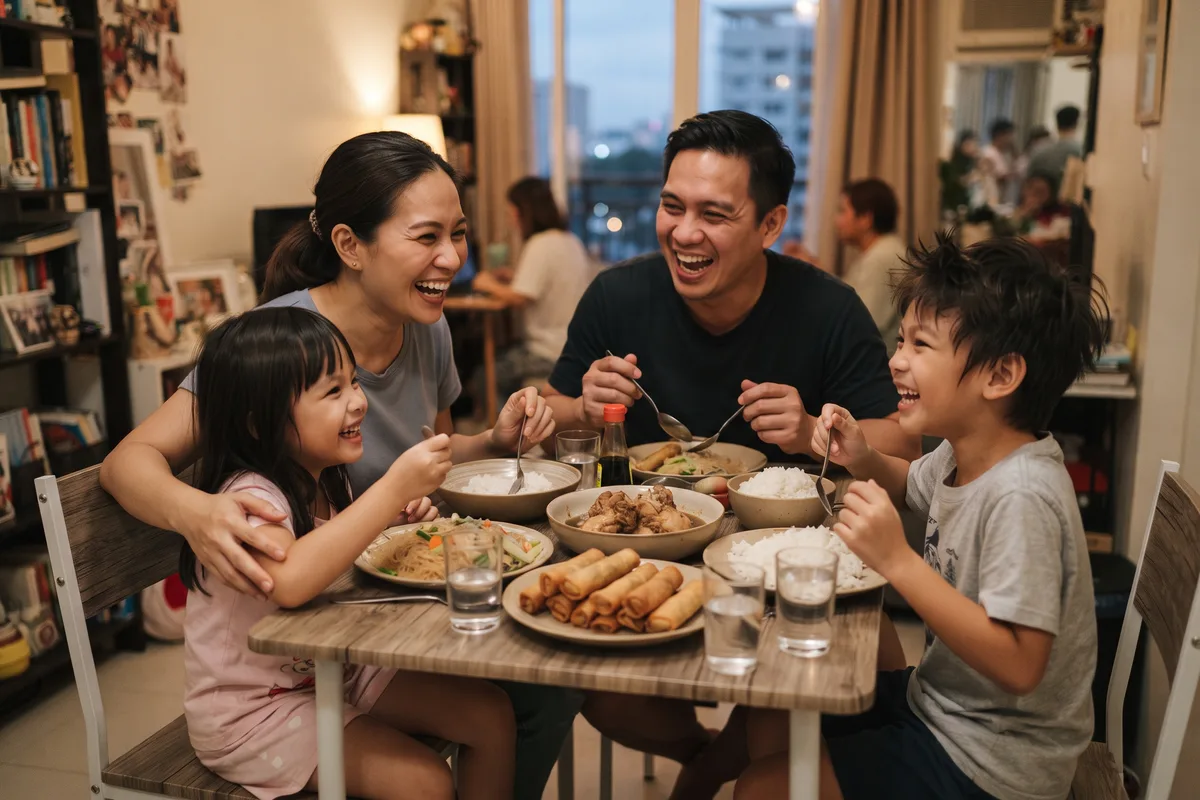
Condos and gated villages quietly lost the palengke relationship. You know the guard’s name but not the kusinera on 12 who cooks the best kare-kare within a hundred meters of your bed. The buying moved to apps and strangers; the trust moved nowhere.
Suki Neighbors exists to give that relationship a way back. It is a community marketplace locked to your own building, village, or barangay, where neighbors buy lutong bahay directly from neighbor sellers - and where buying from the same kusinera twice can turn into being her suki.
How the app makes suki relationships
We built the mechanics of the word into the product:
- Follow a store and you get pinged the moment it posts. Followed stores wear an S badge on their cards - your suki, marked.
- Ordering again is fast. Tap through from the notification and checkout comes prefilled. The tenth order takes less thought than the first.
- Ratings go both directions in spirit: buyers rate after every order, and sellers reply publicly. The relationship talks back.
- Sellers watch their following grow. A follower count is really a suki count, and it compounds with every good order.
Curious how it feels in practice? Start with how ordering works, or find your building in the community directory.
Common questions
What language is the word suki?
Suki is Filipino/Tagalog, used and understood across the Philippines. Its roots are widely traced to Hokkien Chinese, carried into Philippine markets by generations of traders. Today it is everyday vocabulary nationwide.
Is the buyer or the seller the suki?
Both. The word names the relationship, not one side of it. A vendor calls her loyal customer suki, and the customer calls her trusted vendor suki right back - each one is the other's suki.
How do you use suki in a sentence?
Two natural examples: 'Suki ako sa carinderia ni Aling Nena, kaya alam na niya agad ang order ko.' (I'm a regular at Aling Nena's carinderia, so she already knows my order.) And from the vendor's side: 'Sige na, suki kita, dagdag na lang yan.' (Go on, you're my suki, that extra is on me.)
What is Suki Neighbors?
Suki Neighbors is a free, community-locked food marketplace for condos, villages, and barangays in the Philippines. Neighbors buy home-cooked food directly from neighbor sellers and pay them directly, with zero commission. It is named after the suki tradition because that is what it is built to recreate: repeat, trusted buying between people who know each other.