25 home food business ideas you can start from a small kitchen
No food cart, no franchise fee, no commercial space. Here are 25 ideas that run from a home kitchen in the Philippines, with typical prices in pesos and an honest margin note for each.
Updated July 8, 2026 · By the Suki Neighbors team
Prices below are typical condo and village ranges, not promises. Your ingredients and portions set the real number - cost honestly, then price cooked food at 2.5 to 3 times true cost.
Everyday ulam
- Adobo rice meals. The ulam nobody tires of, and it reheats even better the next day. ₱120-150 per meal. High margin, one-pot effort.
- Sinigang family packs. The simmer without the shopping trip. ₱350-450 per 3-4 serving tub. Mid margin; seal the soup, pack rice separately.
- Silog breakfasts. Tapsilog and tocilog before the first meeting of the day. ₱90-130 per plate. High margin; the real cost is waking up early.
- Ulam-only tubs. For neighbors who have kanin na and just need the ulam. ₱180-250 per 500 ml tub. Batch-friendly, minimal packaging.
- Rice toppings. One bowl, one protein, sauce on top. ₱99-149 per bowl. High margin, assembly-line fast at lunch rush.
Merienda favorites
- Lumpiang shanghai. The default merienda and party order. ₱160-220 per 20 pieces. Strong margin when you roll in bulk and fry to order.
- Siomai. Steamer on, building fed. ₱100-150 per dozen with sauce. High margin, weekly repeat buyers.
- Turon and banana cue. Cheap saba, reliable 3 PM demand. ₱60-100 per set of 4. Very high margin, minutes to cook.
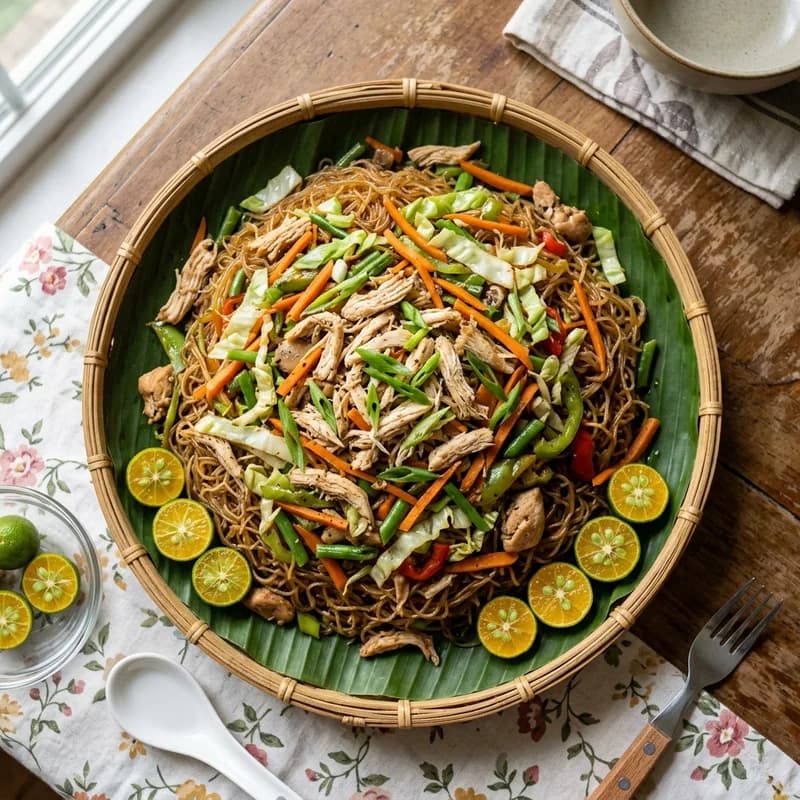
- Pancit bilao. The centerpiece of every small celebration. ₱400-700 per small bilao. Mid margin, big-ticket weekends.
- Kakanin. Biko, sapin-sapin, puto - the recipe few neighbors can copy. ₱150-300 per tray. High margin if you have the technique.
Baked goods
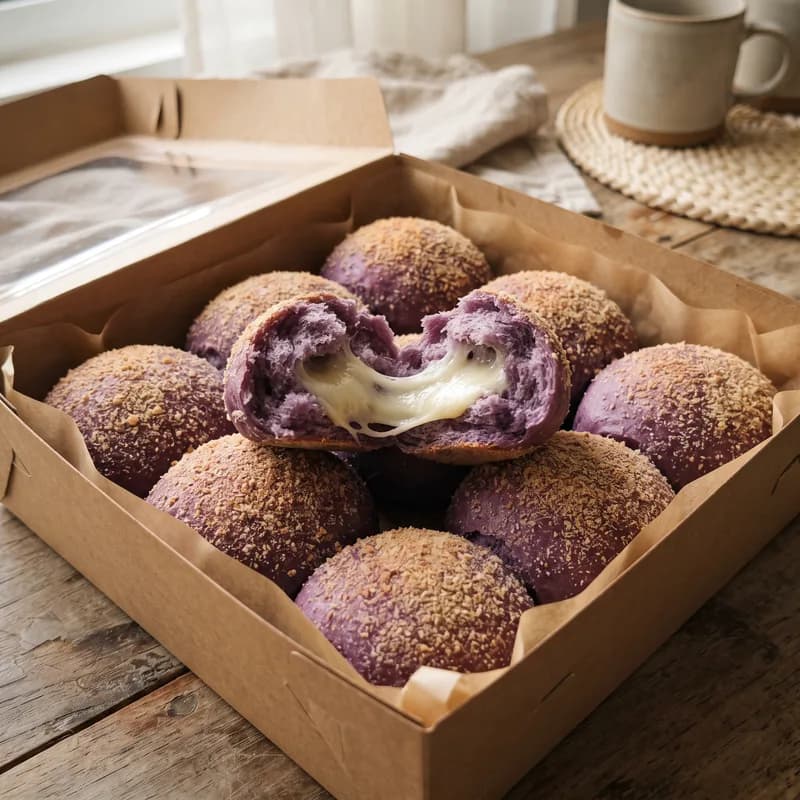
- Ube cheese pandesal. Still ordered every weekend, years after the trend. ₱150-200 per 6. Mid-high margin; ovens love batches.
- Cookies by the box. ₱250-320 per dozen. High margin if you cost the butter and the box honestly.
- Banana bread. Overripe saba becomes loaves. ₱120-180 per loaf. High margin, near-zero waste.
- Custom cakes. Birthdays never stop. ₱800-2,500 each. Highest ticket on this list, highest effort; take scheduled orders only.
Frozen and ready-to-heat
- Frozen lumpia. Roll one weekend, sell all month. ₱200-280 per 30 pieces. High margin; needs real freezer space.
- Marinated meats. Tocino and BBQ packs ready for the pan. ₱150-220 per 500 g. Mid margin, low daily effort once packed.
- Siomai packs. The frozen version of the merienda favorite. ₱150-220 per 30 pieces. Steady reorders; a sauce bottle included wins loyalty.
- Bagnet and longganisa. Provincial favorites neighbors miss. ₱250-400 per pack. Mid margin; your supplier is the secret ingredient.
Meal prep and diet food
- Weekly ulam packs. Five lunches ordered every Sunday. ₱550-750 per 5-day pack. Mid margin with predictable weekly income.
- High-protein prep. For gym neighbors counting macros. ₱150-200 per pack. Priced for the chicken breast; weigh claims honestly.
- Baon boxes. School and office baon packed the night before. ₱80-120 per box. Slimmer margin, daily volume.
Meal prep runs on its own weekly rhythm - here is how sellers structure it.
Party trays and seasonal
- Pancit and lechon belly trays. Weekend handaan headliners. ₱700-1,500 per tray. Mid margin, big tickets, Friday-Saturday work.
- Graduation and birthday bundles. Tray plus dessert plus drinks at one price. ₱1,000-2,500. Bundles out-earn single trays on the same delivery trip.
- Christmas ham and queso de bola season. December pre-orders pay for January. Homemade hamon ₱600-1,000 each. Seasonal spike, pre-orders only.
- Summer coolers. Mango float cups and buko pandan tubs from March to May. ₱60-250 depending on size. High margin; the heat does the marketing.
How to choose: the 3-question test
Twenty-five ideas, one kitchen. Run any candidate through three questions:
- Can you cook it half-asleep? Consistency across fifty batches beats a fancy recipe you have tried twice.
- Does it travel one elevator ride? Sealed sauces, sturdy boxes. Food that arrives ugly does not get reordered.
- Does the math leave pesos after packaging? Cost the container, the box, and the tape, then price at 2.5 to 3 times true cost. The pricing guide shows the full computation.
Pass all three, and it belongs on your menu.
Validate with one post before buying inventory
Do not buy a freezer for a product nobody has ordered. Post one listing, share the link in the group chat, and watch what happens. On Suki a listing takes about a minute, stays live for 12 hours, and tracked stock counts down as neighbors order - a same-day read on real demand.
Set tracked stock to 10 on the test post and cook to order. Sold out means you have a product. Two orders means fix the price or the photo. Zero means you lost one afternoon, not ₱10,000 of ingredients.
When one idea wins, the seller guide covers the rest, from posting rhythm to the order queue.
Common questions
What food business has the highest margin?
Flour-and-sugar products lead: turon, kakanin, cookies, and banana bread often clear 60% or more because ingredients are cheap and technique adds the value. Meat-heavy ulam runs thinner but sells daily. Whatever you choose, the rule holds: price cooked food at 2.5 to 3 times true cost, packaging included.
What can I start with ₱1,000?
One batch of a merienda item: turon, banana cue, siomai, or a couple of banana bread loaves. ₱1,000 covers ingredients plus simple containers, and selling out returns roughly double to triple your money. Roll the cash forward and cook again - no inventory sitting, no big risk.
What sells best in condos?
Everyday lunch: ulam with rice, silog, and meal prep packs, because the buyer is one elevator ride away and hungry on a schedule. Merienda spikes at 3 PM, baked goods own the weekends, and party trays cover celebrations. Start with a weekday staple, then add a weekend item.
Do I need equipment to start?
Start with the kitchen you have. A stove and rice cooker cover every ulam and merienda idea; an oven only matters for the baked group, and a dedicated freezer only for frozen products. Buy equipment from revenue after an idea proves itself, not before.