How to price lutong bahay so you actually earn
Most home cooks look at the carinderia price, subtract ten pesos, and hope. Then packaging and gas quietly eat the profit. Here is the 10-minute costing method, with two worked examples in pesos.
Updated July 8, 2026 · By the Suki Neighbors team
Why gut-feel pricing loses money
When you guess a price, you price the ingredients you remember: the chicken, the rice. You forget the costs that never appear on a plate: the container, the plastic bag, the tape, the LPG, the electricity under the rice cooker. Each one is small. Together they quietly take ₱10 to ₱20 out of every serving, and on home-cooked margins, that is the profit.
Costing fixes something else too: tawad. When you know your true cost, you know your floor, and you stop being scared of your own price.
The true-cost method, in 4 steps
- 1
Add up ingredients per batch
Everything that goes into one cooking session, at the prices you actually paid. Count the small stuff too: garlic, oil, toyo, suka. Tingi amounts still cost money. - 2
Add packaging per serving
Container, lid, plastic bag, label, tape. If it leaves your kitchen with the food, it is a cost. This is the number most sellers forget first. - 3
Add 5 to 10% for gas and utilities
LPG, electricity, water. No meter reading needed: take 5 to 10% of your ingredient cost as a fair share and move on. - 4
Divide by servings, then multiply
Total cost divided by servings gives your true cost per serving. Price cooked food at 2.5 to 3 times that number. The range covers your time, your risk, and the orders that do not come.
Worked example 1: chicken adobo with rice
Here is the method applied to one serving, with batch totals already divided by yield.
| Line item | Amount |
|---|---|
| Ingredients (chicken, toyo, suka, garlic, oil) | ₱38 |
| Rice | ₱7 |
| Container, utensils, bag | ₱6 |
| Gas and utilities share | ₱4 |
| True cost per serving | ₱55 |
| Price range at 2.5-3x | ₱130 to ₱165 |
| Market-friendly price | ₱120 to ₱150 |
At ₱130, each serving pays you ₱75 over cost. Cook 15 packs and one session earns about ₱1,125 clear: ₱1,950 in sales minus ₱825 in true cost. Why not charge the full ₱165? Because your market is a building, not a mall, and ₱120 to ₱150 is the band where neighbors reorder without thinking. The band matters more than the peak.
Worked example 2: a dozen cookies
Baked goods follow the same math, batch-first. One batch of 12 cookies: flour, butter, sugar, chocolate, eggs, plus the box, the liner, and the oven’s electricity. Call it ₱95 all-in. At 2.5 to 3 times, the box sells for ₱250 to ₱280, and next to mall cookie prices, that still reads as a deal. Still deciding what to cook? Run this math on a few of these home food business ideas before you commit.
Bake to order and you never eat the cost of unsold stock: on Suki, buyers can schedule delivery or pickup up to 7 days ahead, so you know the exact count before you preheat.
Pricing moves that fit a building
- Name the portion in the listing.“Beef Caldereta (good for 2)” answers the size question before it turns into a complaint after delivery. The listing title is your label and your promise in one line.
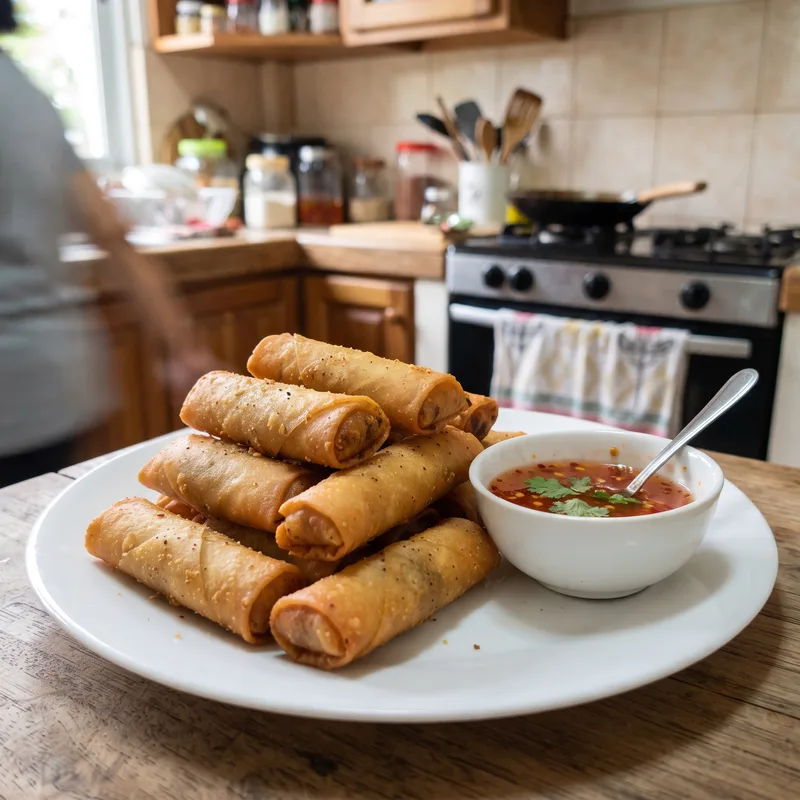
- Sell sets and boxes, not pieces. One ₱280 box of 12 beats twelve ₱25 handoffs: fewer containers, fewer trips, cleaner margin. Same logic for lumpia by 20s and leche flan by the llanera.
- Set a free-delivery minimum. On Suki you can charge a small delivery fee and set a minimum for free delivery. Buyers watch a progress bar fill toward free delivery and add one more item to reach it. A ₱150 order becomes ₱250 with no hard sell.
When and how to raise prices
Recompute your true cost whenever a core ingredient jumps and stays up for two or three weeks. Chicken, cooking oil, and eggs move often; your price should follow, not absorb.
Then tell your suki straight: “Tumaas po ang manok, kaya ₱130 na po ang adobo starting Monday.” Neighbors walk the same palengke you do, so an honest ₱10 increase keeps suki. A quietly shrinking portion loses them.
Three mistakes that quietly kill margins
- Absorbing packaging. The ₱6 container feels too small to charge for. At 20 orders a week, that is ₱480 a month straight out of your profit.
- Matching carinderia prices with premium ingredients. If you cook with better cuts, name the difference in the listing, “pure beef, walang extender”, then price for it. Racing to the bottom is a race you lose in your own kitchen.
- Pricing per piece. Per piece feels affordable, but it means tingi-sized profits with full-sized work on every order. Sell by the box, the set, the bilao.
Common questions
How much profit margin should home-cooked food have?
Price cooked food at 2.5 to 3 times its true cost per serving, where true cost covers ingredients, packaging, and a 5-10% share for gas and utilities. That keeps your food cost near a third of the selling price, which is the range food businesses aim for. Anything below 2.5x usually means your labor is working for free.
Should I match carinderia prices?
Only if your ingredients and portions actually match a carinderia's. If you use better cuts or bigger servings, say so in the listing and price for the difference. Neighbors pay a little more for food from a kitchen they know and trust.
How do I handle rising ingredient prices?
Recompute your true cost when a core ingredient stays high for two to three weeks, then adjust the price and tell your suki plainly why. They shop the same palengke and accept honest increases. Quietly shrinking portions damages trust far more than a ₱10 price change.
Do I charge for delivery in my own building?
Most sellers deliver free inside their own building or village because the trip takes minutes. On Suki you can also set a small delivery fee with a free-delivery minimum, so tiny orders cover your time while bigger orders earn free delivery. Pickup orders are always free.