What is merienda? The Philippines' fourth meal
Somewhere between snack and sacrament, merienda is the eating Filipinos do between meals - and at 3pm, the whole country does it at once.
Updated July 10, 2026 · By the Suki Neighbors team
The definition
Merienda is the Filipino institution of eating between main meals, most famously in mid-afternoon around 3pm. More substantial than a snack and lighter than dinner, a merienda can be anything from a piece of kakanin with coffee to a full plate of pancit. The word came from Spanish, but the habit is now thoroughly and permanently Filipino.
The 3pm institution
Merienda technically covers any between-meal eating - mid-morning counts too - but the canonical merienda is the afternoon one. At around 3pm, offices send someone out for turon, classrooms break, construction crews sit down with bottled Coke and bread, and lolas set out bananacue for grandchildren arriving from school. It is scheduled into Filipino life the way teatime is scheduled into British life: not a lapse in discipline but an appointment.
The logic is practical. Filipino lunch is early and rice-heavy, dinner is late and familial, and the gap between them is long, hot, and productive. Merienda is the bridge. Skipping it is legal but inadvisable.
Classic merienda foods
Merienda has its own repertoire, distinct from meal food, and most of it travels well from a home kitchen:
- Kakanin - the rice-based delicacies: biko, puto, kutsinta, sapin-sapin, suman. The heart of the merienda table.
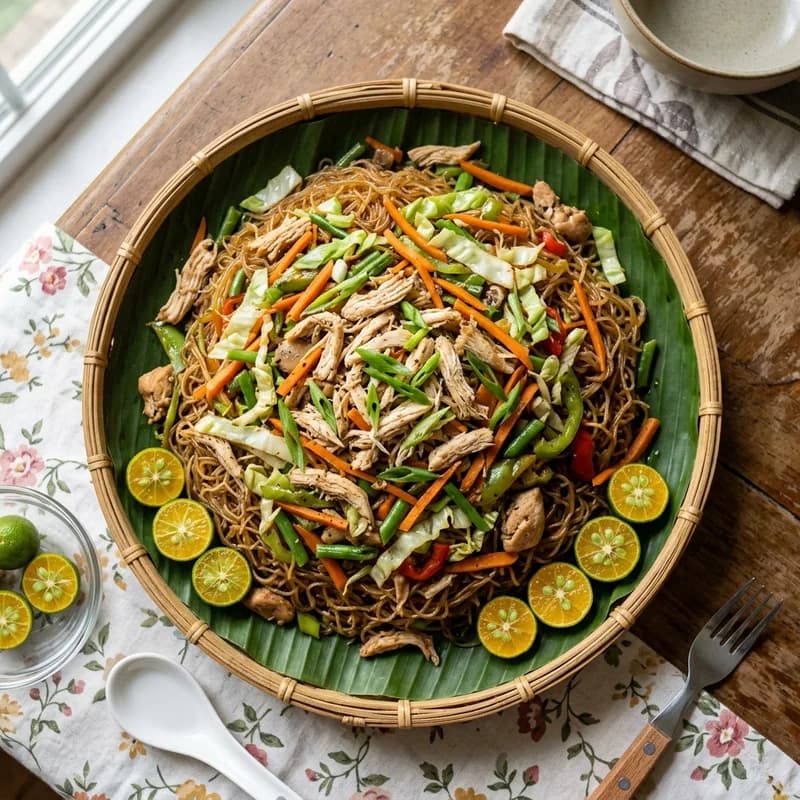
- Pancit - bihon or canton, the dish that blurs the line between merienda and a full meal.
- Turon and bananacue - saba bananas, caramelized sugar, and the smell that announces 3pm on any street.
- Palabok - rice noodles under shrimp sauce, chicharon, and egg; merienda dressed for a party.
- Pan de sal and spreads - toward evening, dipped in coffee without shame.
- Ginataang bilo-bilo, arroz caldo, champorado - the warm, rainy-day wing of the repertoire.
A Spanish word, a Filipino habit
The word merienda arrived with Spain, where it still names a light late-afternoon meal. Filipinos kept the word and rebuilt the menu: out went the Iberian bread-and-chocolate template, in came rice flour, coconut milk, saba, and noodles. Three centuries later, the Spanish merienda is a footnote in Spain and a load-bearing meal in the Philippines. Few colonial borrowings have been improved on so decisively.
Why merienda is prime time for home sellers
For anyone selling food from home, merienda is the highest-percentage slot of the day. The reasons stack:
- Demand is synchronized. The whole building gets hungry at the same hour. A 3pm craving is predictable enough to cook for in advance.
- Merienda food is make-ahead food. Kakanin, turon, and palabok batch beautifully in a home kitchen - no cooked-to-order pressure.
- Price points are impulse-friendly.₱20 to ₱80 per serving clears the “sige, order na” threshold without deliberation.
- Nobody delivers it. The delivery apps are built around meals; the merienda economy still belongs to the kusinera downstairs.
This is exactly the pattern Suki Neighbors was built for: a home cook posts kutsinta or turon at noon, neighbors reserve, and everything sells inside the 3pm window - listings expire in 12 hours anyway, so merienda posted today is merienda cooked today. If that sounds like a business, it is: see the kakanin business guide or the broader list of home food business ideas to pick your lane.
Common questions
What is merienda in the Philippines?
Merienda is the Filipino practice of eating between main meals, most famously the mid-afternoon snack around 3pm. It is heavier than a light snack and can range from kakanin (rice delicacies) with coffee to a plate of pancit or palabok. The word is Spanish in origin, but the custom is a core Filipino institution.
What time is merienda usually eaten?
The classic merienda happens mid-afternoon, around 3pm to 4pm, bridging the gap between an early lunch and a late dinner. Many Filipinos also take a lighter mid-morning merienda around 9am to 10am. The afternoon one is the institution: offices, schools, and households all pause for it.
What are the most popular merienda foods?
Kakanin like biko, puto, kutsinta, and sapin-sapin; pancit bihon or canton; turon and bananacue; palabok; pan de sal; and warm dishes like arroz caldo, champorado, and ginataang bilo-bilo. Merienda has its own repertoire, mostly rice-based, coconut-rich, and easy to make in batches at home.
Is merienda a Spanish or Filipino tradition?
Both. The word and the habit of a light afternoon meal came from Spain during the colonial period, but Filipinos replaced the menu entirely with rice flour, coconut milk, saba bananas, and noodles. Modern merienda is considered a distinctly Filipino food tradition wearing a Spanish name.