Sanitary permit for a home kitchen: what the inspector actually checks
Of all the papers on the permit ladder, the sanitary permit is the one that is genuinely about food. Here is the process at your city health office, what an inspection looks for, and the ₱500 to ₱5,000 it typically costs.
Updated July 10, 2026 · By the Suki Neighbors team
What a sanitary permit is
A sanitary permit is issued by your city or municipal health office and certifies that your food business, including a home kitchen, meets basic sanitation standards under the Sanitation Code (PD 856) and the Food Safety Act (RA 10611). Fees typically run ₱500 to ₱5,000 depending on the LGU, and the permit renews annually.
While the DTI certificate is about your name and BIR is about your taxes, this is the permit about the actual cooking. It is also the local answer to the FDA question: fresh food sold direct to consumers is covered here, at city hall, not by an FDA license, as explained in the FDA LTO guide.
How it relates to the Mayor's permit
The sanitary permit is usually processed as part of, or alongside, the Mayor's / business permit at city hall. In many LGUs you cannot complete the business permit without the sanitary permit, and the health office will not issue the sanitary permit without the health certificates of the people handling food. So the practical bundle is: business permit application at city hall, sanitary permit at the health office, health certificate for you and anyone who helps you cook. One trip to city hall often starts all three.
The process, step by step
- 1
Go to your city or municipal health office
Usually inside or beside city hall. Ask for the sanitary permit application for a food business; say it is home-based. Bring your barangay clearance and, if you have them, DTI certificate and business permit application. - 2
Get health certificates for all food handlers
You and anyone who regularly helps cook or pack will need a health certificate, which involves a few lab tests. Full details in our health certificate guide; many health offices process both together. - 3
Schedule or receive the inspection
A sanitary inspector visits the kitchen. Some LGUs inspect before issuing, some inspect within the year, and some rely on your declaration for small home operations. Practice varies widely. - 4
Pay the fee
Typically ₱500 to ₱5,000 depending on the LGU and the size of the operation. Home kitchens usually land at the low end of the local scale. - 5
Claim the permit and mark the renewal date
Sanitary permits renew annually, typically in January alongside the business permit. Renewals are usually faster and cheaper than the first application.
What the inspection checks
Inspectors are not hunting for a restaurant-grade kitchen. They are checking that the basics of safe food handling are in place:
- Water source and dishwashing. Clean running water, proper washing of utensils and containers.
- Food storage. Raw and cooked food separated, refrigeration working, ingredients off the floor and covered.
- Waste handling. Covered bins, regular disposal, no standing garbage near the cooking area.
- Pest control. No signs of ipis or daga, screens or covers where needed.
- Personal hygiene. Handwashing setup, clean preparation surfaces, and health certificates for the handlers.
If you already cook the way you would want the person feeding your own family to cook, you pass. The habits behind each item, from cooling rice safely to packing hot ulam for delivery, are covered in the food safety guide for home sellers.
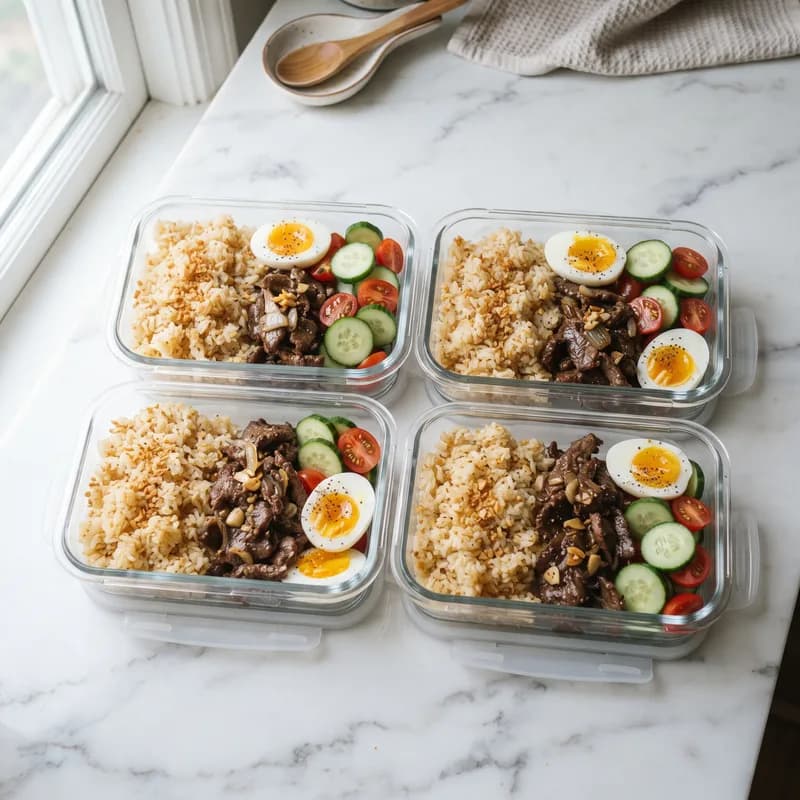
Before the inspector visits, walk your own kitchen with the list above and fix the cheap things first: bin covers, a soap dispenser by the sink, containers with lids. Most failed first inspections are ₱500 problems, not renovation problems.
What it costs, honestly
The fee spread is wide because LGUs set their own schedules: a small municipality might charge a few hundred pesos, a big city several thousand, and some scale the fee by floor area or number of workers. A home kitchen with one or two handlers typically lands near the bottom of the local range. Where the sanitary permit sits inside the full first-year budget of roughly ₱8,000 to ₱12,000 is itemized in magkano ang gastos sa permits, and the whole ladder is mapped in the complete permits guide.
Inspection practice, fees, and required documents vary more for sanitary permits than for almost any other permit, because each LGU implements PD 856 its own way. Call or visit your city health office before assuming anything on this page matches your city exactly. This is general information, not legal advice.
The permit is also marketing
Buyers eat with their eyes first and their doubts second. A seller who can say “may sanitary permit ang kitchen ko” removes the biggest silent objection to buying home-cooked food from someone new. On Suki Neighbors, that trust layer is built into the product: buyers rate after delivery, sellers reply publicly, and registered sellers can carry a Verified badge or apply for the manager-approved Official Store badge. Papers plus reviews beat either one alone.
Common questions
How much does a sanitary permit cost in the Philippines?
Typically ₱500 to ₱5,000, set by each LGU's own fee schedule. Small municipalities charge less, big cities more, and some scale fees by floor area or number of food handlers. A home kitchen with one or two handlers usually lands at the low end. The permit renews annually, usually cheaper than the first issuance.
Do home-based food sellers need a sanitary permit?
Once selling becomes a regular business, yes. The sanitary permit from the city or municipal health office is the document that covers food handling for fresh-cooked food sold direct to consumers, which is exactly what a home seller does. Very small casual sellers often start with just a barangay clearance and add the sanitary permit as they formalize.
What does a sanitary inspection check in a home kitchen?
The basics: clean running water and dishwashing, separated raw and cooked food with working refrigeration, covered waste bins, no signs of pests, handwashing setup, and health certificates for everyone handling food. Inspectors look for safe habits, not a commercial kitchen. Most failed first inspections are cheap fixes like bin covers and lidded containers.
Is the sanitary permit the same as the Mayor's permit?
No, but they travel together. The Mayor's or business permit licenses the business itself at city hall, while the sanitary permit from the health office certifies the food handling side. Many LGUs require the sanitary permit as part of completing the business permit, and both typically renew each January.